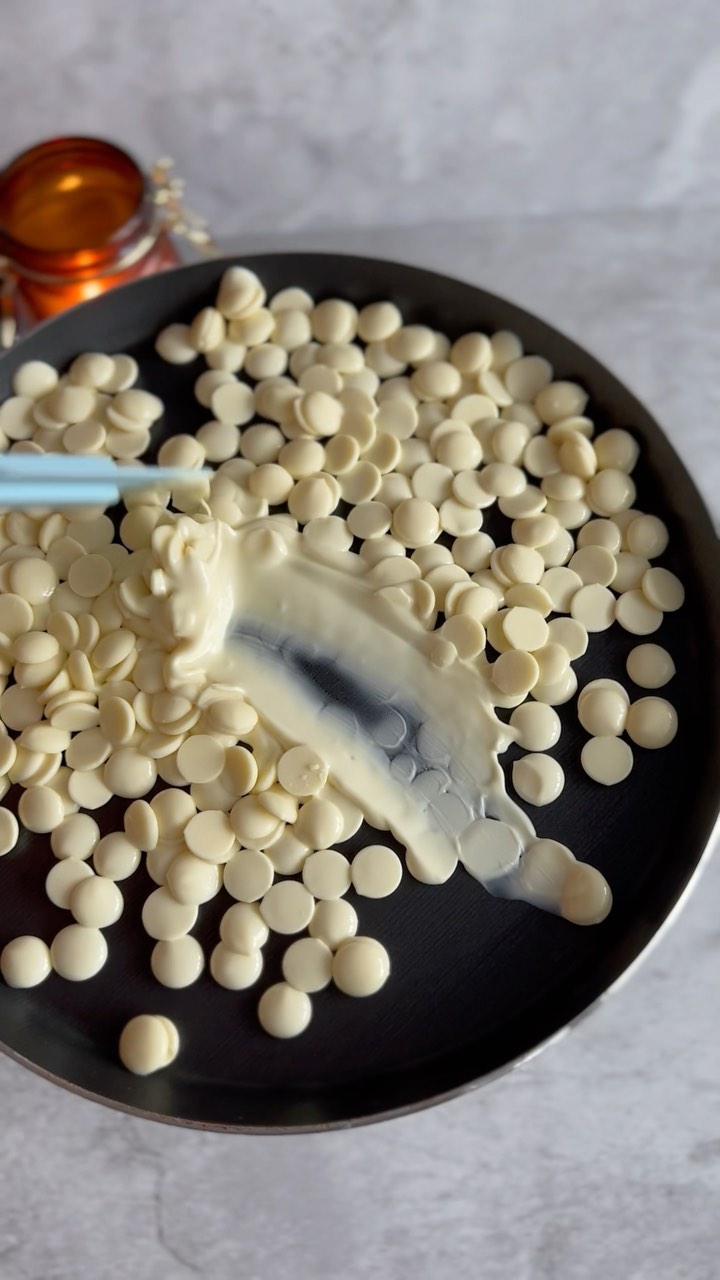
Ingredients
Ingredients for Chocolate Tempering
Instructions
Step 1
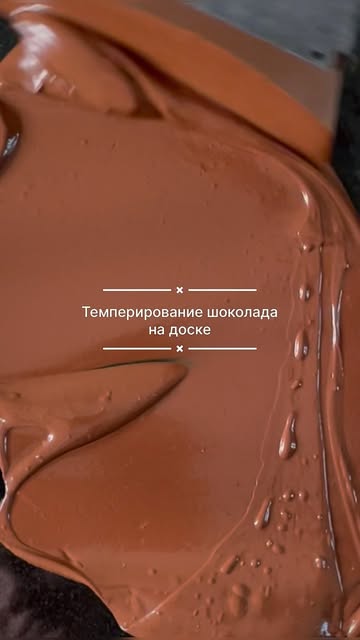
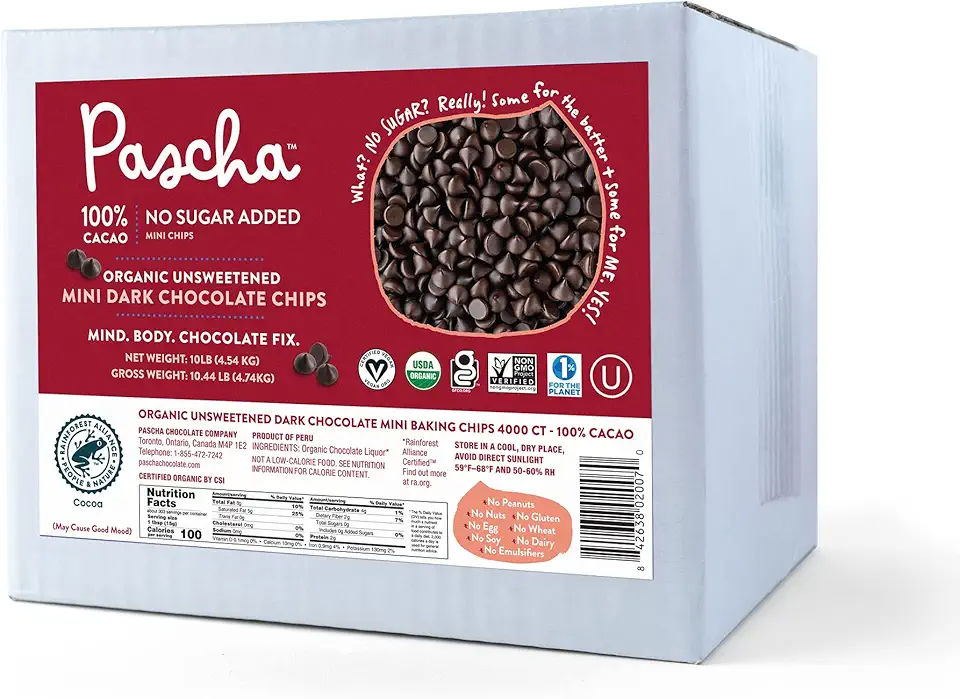
Begin by **measuring 500 grams (17.6 ounces)** of dark chocolate chips. You can use a microwave or a double boiler for this step. If using a microwave, melt the chocolate in short bursts of 30 seconds, stirring in between, until it reaches a temperature of **40-45°C (104-113°F)**.
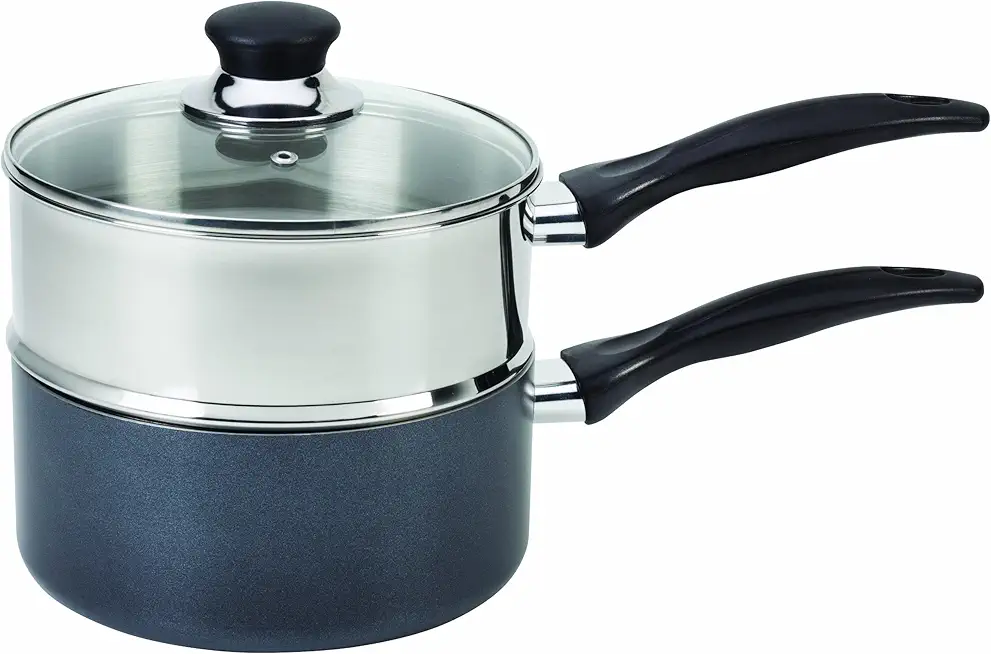
When melting with a double boiler, make sure the water does not touch the chocolate. This gentle heating method will help retain the chocolate's integrity.
Step 2
Once the chocolate is melted, it's time to **cool it down**. Add about **5-10%** of additional chocolate chips to the melted mixture. Stir continuously to help lower the temperature to **31°C (88°F)** for dark chocolate.
If you're working with milk or white chocolate, cool the temperature to **29°C (84°F)**. This step is crucial as it allows the cocoa butter to settle into the correct crystalline structure.
Step 3
To ensure optimal tempering, use an **infrared thermometer** to check the temperature of your chocolate. If the additional chips dissolve too quickly, add more to further reduce the temperature.
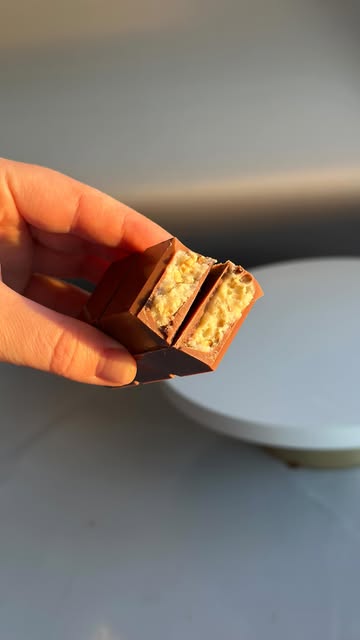
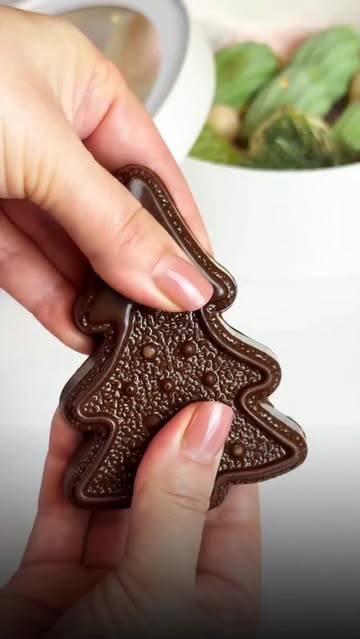
When done correctly, you’ll end up with a chocolate that is **smooth, shiny, and has a nice snap** when broken.
Step 4
Following these steps diligently will yield a perfectly tempered chocolate. Use this chocolate for dipping, coating, or molding your favorite confections. Enjoy the process of creating with chocolate and impress your friends and family with your skills!
Servings
Equipment
Both methods are effective for melting chocolate. If you use a microwave, make sure to melt in short bursts to prevent scorching. A double boiler helps maintain a more controlled heat.
This handy tool ensures you monitor the chocolate's temperature closely. Keeping the right temperature is crucial for successful tempering.
A good silicone spatula will help you stir the chocolate smoothly. Make sure it’s heat-resistant!
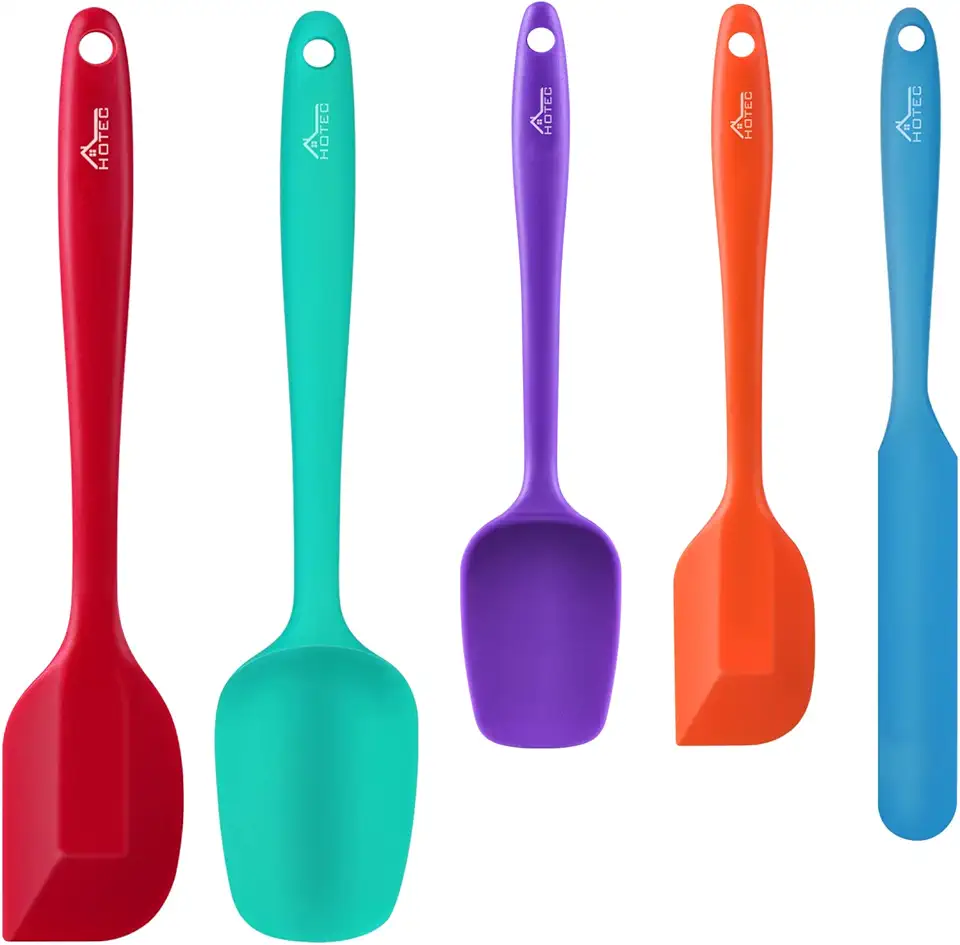 HOTEC Food Grade Silicone Rubber Spatula Set for Baking, Cooking, and Mixing High Heat Resistant Non Stick Dishwasher Safe BPA-Free Multicolor Set of 5
$9.59
$18.99
View details
Prime
HOTEC Food Grade Silicone Rubber Spatula Set for Baking, Cooking, and Mixing High Heat Resistant Non Stick Dishwasher Safe BPA-Free Multicolor Set of 5
$9.59
$18.99
View details
Prime
 Wilton Icing Spatula - 13-Inch Angled Cake Spatula for Smoothing Frosting on Treats or Spreading Filling Between Cake Layers, Steel
$7.98
$8.75
View details
Wilton Icing Spatula - 13-Inch Angled Cake Spatula for Smoothing Frosting on Treats or Spreading Filling Between Cake Layers, Steel
$7.98
$8.75
View details
 Metal Spatula Stainless Steel and Scraper - Professional Chef Griddle Spatulas Set of 3 - Heavy Duty Accessories Great for Cast Iron BBQ Flat Top Grill Skillet Pan - Commercial Grade
$19.99
$22.99
View details
Metal Spatula Stainless Steel and Scraper - Professional Chef Griddle Spatulas Set of 3 - Heavy Duty Accessories Great for Cast Iron BBQ Flat Top Grill Skillet Pan - Commercial Grade
$19.99
$22.99
View details
Variations
Faq
- Q: What is the best chocolate for tempering?
A: High-quality chocolate with a cocoa content between 60-70% is recommended for the best results. Look for couverture chocolate, as it has a higher cocoa butter content.
- Q: How do I know if my chocolate is properly tempered?
A: Properly tempered chocolate will have a shiny appearance, a firm texture, and will snap cleanly when broken. Additionally, it should melt smoothly in your mouth.
- Q: Can I re-temper chocolate that has already been tempered?
A: Yes! If your tempered chocolate has lost its sheen or has a dull appearance, you can gently re-temper it by melting it again carefully and going through the tempering process.
- Q: What should I do if my chocolate seizes up?
A: If your chocolate seizes up, it means it has become too dry. Try adding a small amount of vegetable oil or cocoa butter to help bring it back together.
- Q: How can I work with chocolate in warm weather?
A: In warm conditions, work quickly and ensure your workspace is cool. Use less chocolate callets when tempering, as it can help prevent overheating.
- Q: Why is temperature crucial when tempering chocolate?
A: Chocolate requires specific temperature ranges to form the right crystal structure for a smooth finish and a perfect snap. Too high or too low temperatures can lead to poor results.